
Editor’s Note: This is part of a series of stories published by Malaria No More on behalf of the U.S. President’s Malaria Initiative (PMI) REACH Malaria Project, implemented by PATH. Penned in September 2026, this story features Dr. Vincent Lameck Majeta, who leads his hospital’s malaria death audit committee in southern Tanzania. By systematically reviewing every malaria death, Dr. Majeta seeks to understand what went wrong and what can be improved in order to save the next life.
When a one-year-old child with malaria arrived at Ligula Regional Referral Hospital in Mtwara, Tanzania, earlier this year, the hospital’s pediatric team immediately recognized the severity of the situation.
He was critically ill, with severe anemia, acute kidney injury, electrolyte imbalance, and breathing difficulties. The pediatric team corrected the electrolyte imbalance, improved the child’s hemoglobin level with a blood transfusion, and provided oxygen support as respiratory complications developed.
Although dialysis services are available for adults in the region, Ligula Hospital lacks the capacity to provide dialysis for young children. Pediatric patients requiring specialized dialysis must be referred to Muhimbili National Hospital in Dar es Salaam, the country’s national referral hospital for super-specialty care, which is more than 600 kilometers away. The hospital arranged for an ambulance and recommended an urgent referral to Muhimbili. However, discussions with the family took time because they were concerned about the financial and social implications of traveling such a long distance for care.
While those conversations continued, the child’s condition deteriorated further. He developed pulmonary edema associated with acute kidney injury resulting from severe malaria — and soon died.
Dr. Vincent Lameck Majeta, Head of the Internal Medicine Department at Ligula and chair of the hospital’s malaria death audit committee, later reviewed the case with his team to understand what more could have been done to save this life.
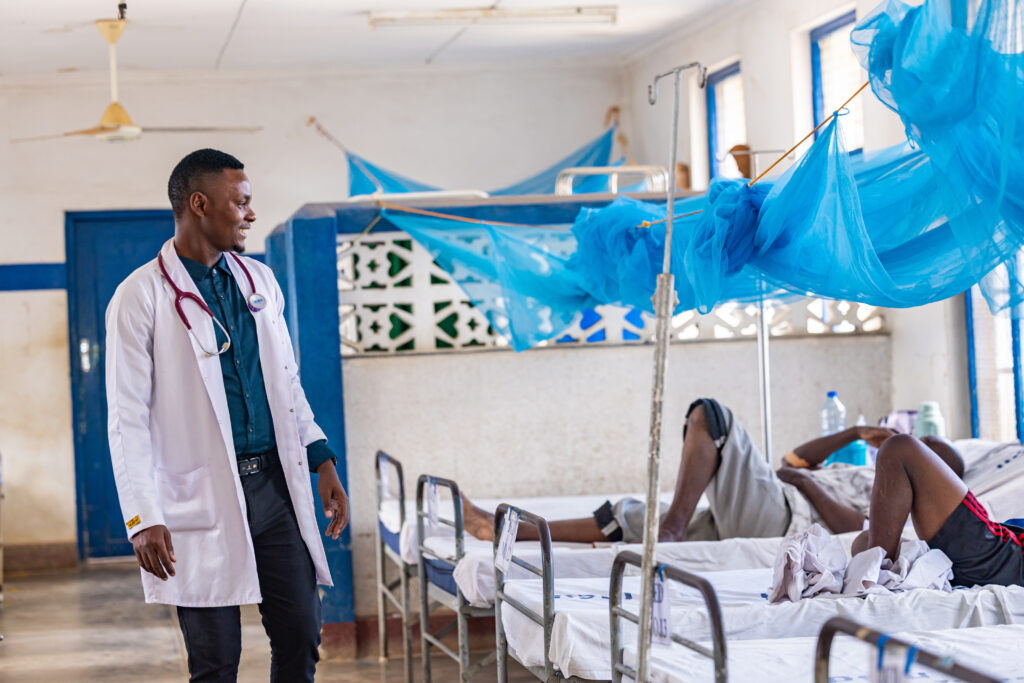
“We had managed many of the complications,” Dr. Majeta recalled. “But the child needed emergency dialysis. Sometimes the medicines are available, and the patient is being managed, but when the [patient’s] response is not what you expect, decisions must be made quickly. The audit helps us look back to understand where delays occurred and what could have been done differently.”
Going Beyond the Death Certificate
For Dr. Majeta and his team, the child’s death was not the end of the case. In the past, a malaria death might have been recorded and closed without a structured investigation into how it occurred. Contributing factors can originate in the community, from not recognizing malaria symptoms to not seeking care soon enough or not being able to travel long distances to reach the nearest health facility. Issues inside of health facilities can also be contributing factors, such as shortages of medicines and supplies or gaps in knowledge or experience in recognizing and managing severe complications. The REACH Malaria project, working with regional and district teams, introduced malaria death audits to identify factors that can be improved — or modified — to close that gap. The objective is not to assign blame but to understand the events that unfolded that eventually led to a malaria death.
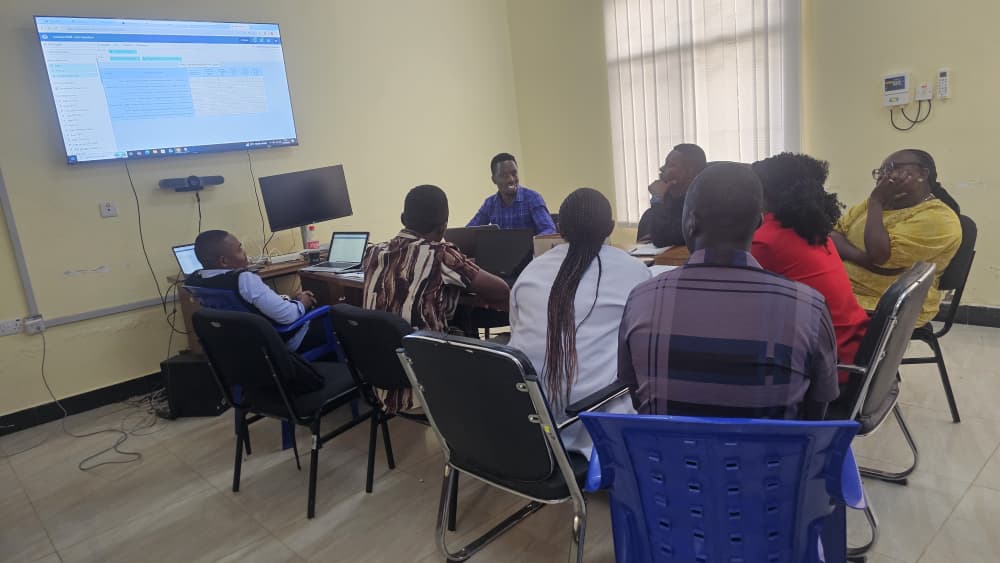
Dr. Majeta leads Ligula Regional Referral Hospital’s first multidisciplinary malaria death audit committee, established with support from the REACH Malaria project. The team brings together specialists in pediatrics, laboratory services, emergency medicine, and nursing to conduct structured reviews whenever a malaria-related death occurs. Once a death is reported, the district malaria focal person notifies the regional health team. Working alongside the Council Health Management Team (CHMT), they conduct the audit and help develop the resulting action plan. The REACH Malaria project provides technical support for the audit process.
The process begins at the facility where the death occurred. The team meets with health providers involved in the patient’s care; reviews laboratory investigations, treatment records, and clinical decisions; and identifies the immediate and underlying causes of death.
Audit teams then retrace the patient’s journey. “If the patient passed through other facilities before reaching us, we also go back and review what happened at every stage,” Dr. Majeta said.
That is exactly what happened in this case, with the patient having visited Tandahimba District Hospital and Mahuta Health Center before going to Ligula. Thus, after the audit team reviewed the case internally at Ligula, they traveled to Tandahimba and Mahuta.
What the Audit Revealed
The review found that Mahuta Health Center had the essential commodities needed to manage malaria. The challenge was recognizing that the child’s condition was not improving and referring him sooner for advanced assessment. At Tandahimba, clinicians initiated further investigations, including assessments of treatment response. However, delays in laboratory results hindered timely clinical decision-making. By the time the child reached Ligula, kidney failure and respiratory complications had already developed.
“The main issue that emerged from the audit was delay,” Dr. Majeta said. “At every level, when a patient is not responding as expected, there must be rapid reassessment and timely referral.”
Turning Findings into Lessons — and Action
One outcome of the audit was that teams from Mahuta, Tandahimba, and Ligula came together to openly review the case, allowing clinicians, nurses, and laboratory staff to identify gaps, clarify decisions made along the referral pathway, and agree on actions for improvement.
For Dr. Majeta, that may be the most important outcome of all.
“Before, a case could end after the patient died,” he said. “Now we go back, we discuss what happened, we identify the gaps, and we create an action plan. The purpose is to make sure the next patient has a better chance.”
Although this child’s life could not be saved, the lessons from the case have already informed discussions on referral practices, laboratory follow-up, and management of severe malaria complications. The findings have been shared across facilities and health management teams involved in the audit process, helping strengthen recognition, management, and referral of severe malaria cases across Mtwara Region.
Learning from Death Audits in Three Regions
The findings from this case reflect broader patterns identified through malaria death audits conducted across Mtwara Region. Similar audits are underway in Lindi and Ruvuma, the two other regions in Tanzania supported by the REACH Malaria project. In all regions, the malaria death audit process is being led jointly by the Regional Health Management Team, Council Health Management Teams, clinicians, and facility managers. The level of coordination and participation from regional, district, and facility leadership demonstrates the importance being placed on learning from malaria deaths to improve patient care and save lives.
Between January and March 2026, the region recorded 13 malaria deaths, of which 12 were reviewed as part of the audit process. Reviews conducted by regional and district health teams, clinicians, and facilities managers with support from the REACH Malaria project identified recurring challenges, including delayed referrals, difficulties in managing severe malaria complications, limited diagnostic capacity, and delayed access to specialized care.
Taking it Back to the Community
When necessary, audit teams also visit the community where the patient lived. There, teams speak with family members, community leaders, and health providers to identify modifiable causes, so families and communities can also learn from each case and help prevent similar deaths.
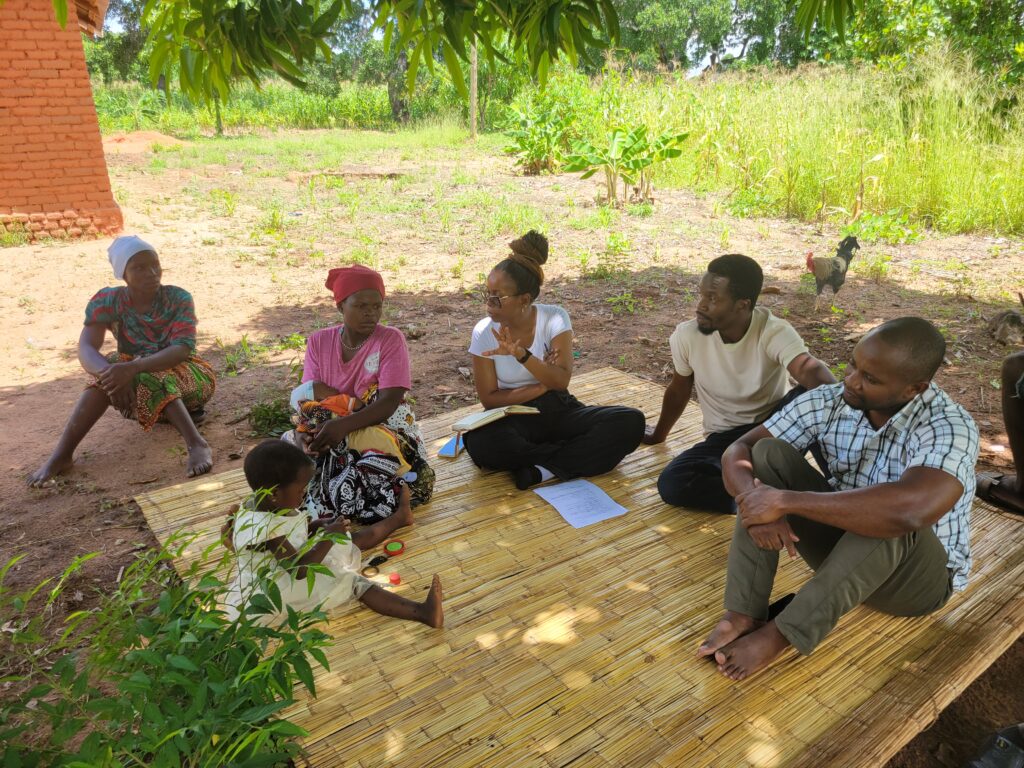
The reviews conducted between January and March 2026 highlighted that, in some areas, families travel long distances to reach health facilities, while financial constraints limit access to transport. As a result, some patients delay seeking care or first rely on traditional remedies before presenting at a health facility.
These findings have informed recommendations across the region, including strengthening community education on early recognition of malaria symptoms, encouraging timely care-seeking, improving referral systems, expanding mentorship for health care workers, and strengthening laboratory and community-based diagnostic and treatment services.
For Dr. Majeta and the teams involved, the goal is straightforward: “identify what happened, address the gaps, and improve care for the next child who arrives needing urgent treatment,” he said.
About Malaria No More
Malaria No More envisions a world where no one dies from a mosquito bite. Twenty years into our mission, our work has helped drive historic progress toward this goal. Now, we’re mobilizing the political commitment, funding, and innovation required to achieve one of the greatest humanitarian accomplishments of our time — ending malaria for good.