
Ensuring life-saving health products reach the right people at the right time is a persistent challenge in global public health. Amid seismic shifts in the field, the private sector’s role in supply chains is expanding rapidly. In Rwanda and Nigeria, Kasha is bringing SC Johnson’s Guardian™ spatial repellent to neighborhood shops, pharmacies and institutions, while also selling directly to consumers and testing prices to learn what most families can afford. We spoke with Joanna Bichsel, founder and CEO of Kasha, about what it takes to build a retail market for Guardian™ and other malaria prevention products, drawing on Kasha’s experience selling health products across 10 African countries.
Tell us about Kasha. What makes your model unique?
We want to change the way people across Africa and other emerging markets get the health products they need. For over a decade, Kasha has operated a digital commerce and last-mile delivery platform for health products and household goods. We sell directly to consumers and supply pharmacies, hospitals, clinics and kiosk shops. That lets us serve lower-income customers in cities and rural communities, including places that are hard to reach. We have data from those sales and a distribution network that reaches those customers, so we can also provide services to manufacturers, governments and global health organizations.
Take Guardian™. In Rwanda and Nigeria, we’re working with SC Johnson to sell the product and test price points. The sales data tells us what people buy at different prices. Customers and shopkeepers help us understand what people need from a malaria prevention product and which features matter most to them when choosing one. We also show people how to install Guardian™at home and explain that it needs replacing after a year.
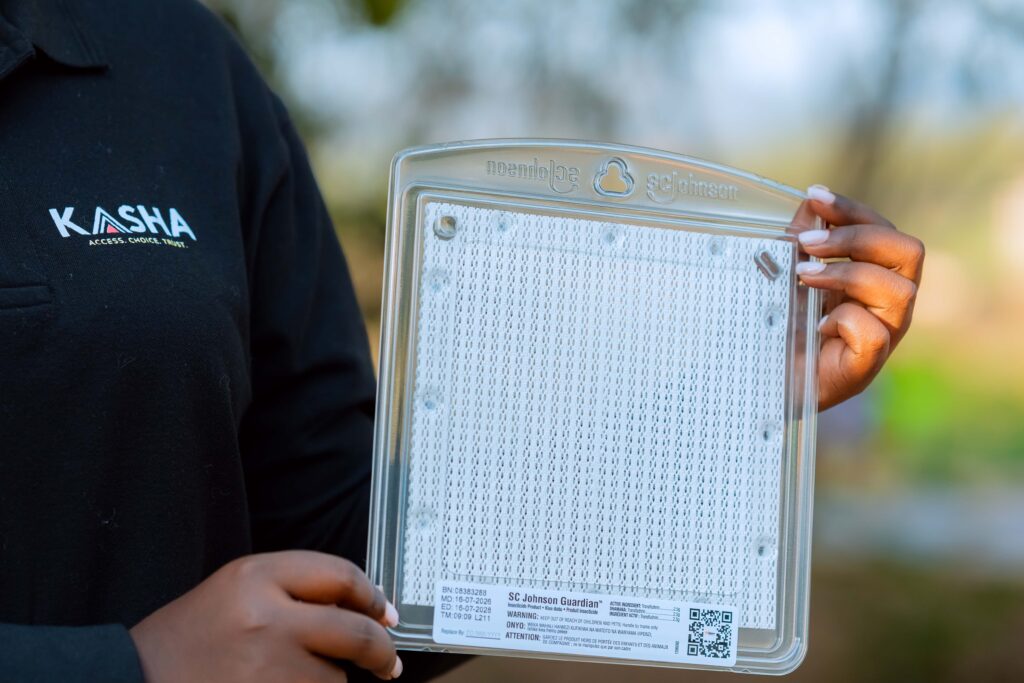
Editor’s note: As SC Johnson’s scaling partner, BillionScale Health identified Kasha as a partner and co-designed the private-sector sales demonstration in Rwanda and Nigeria. The goal is to build a self-sustaining private market for Guardian that complements public-sector distribution, decreasing costs and enabling scale.
We’re also the only on-the-ground logistics partner for the Government of Rwanda, delivering public health products in all 30 districts. The government pays us based on performance and a rate card for deliveries, without donor funding. In the operation’s first year, we reduced the government’s cost of delivering those products by 90%.
The whole reason Kasha exists is to provide access to health products through a sustainable business model for last-mile delivery. What people order tells us which products to stock and where to deliver them.
What are some of the biggest supply chain challenges that Kasha seeks to solve?
Free bed net campaigns are important, but they typically happen only every three years. What if you miss one or need another net before the next campaign? In markets where the available stock goes to public campaigns and the nets aren’t registered for private sale, you can’t walk into a local shop and buy a quality insecticide-treated net.
There’s also a question of choice. Families may prefer a net of a particular shape or color, but governments buying through the Global Fund can only order what the Fund can procure. Someone accepting a free net tells us very little about whether it meets their needs. We have limited data on who receives and uses those nets, which features people want, or how those preferences differ across countries and regions.
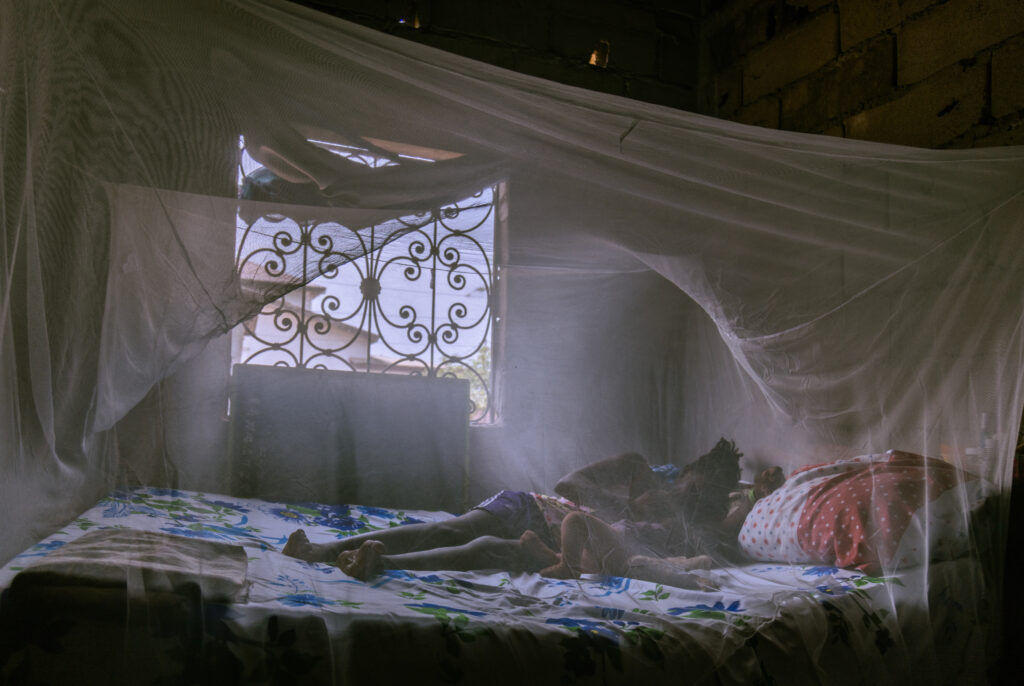
Kasha registers malaria prevention products for private sale, helps people understand the options and works to make them affordable. Our customers decide what to order. We use that information to stock the health products people want and deliver them where they live, whenever they need them.
How have recent funding shifts impacted global health supply chains, and what has that meant for the private sector?
Manufacturers need to produce and sell enough units to keep their factories running efficiently and keep prices down. A lot of malaria product manufacturers relied on the U.S. Agency for International Development (USAID) or the Global Fund to Fight AIDS, Tuberculosis and Malaria to buy their products. The loss of USAID orders and cuts to Global Fund procurement over the last two years have left many manufacturers asking how to keep their factories running. Some decided to shut down manufacturing operations. Others are turning to the private sector.
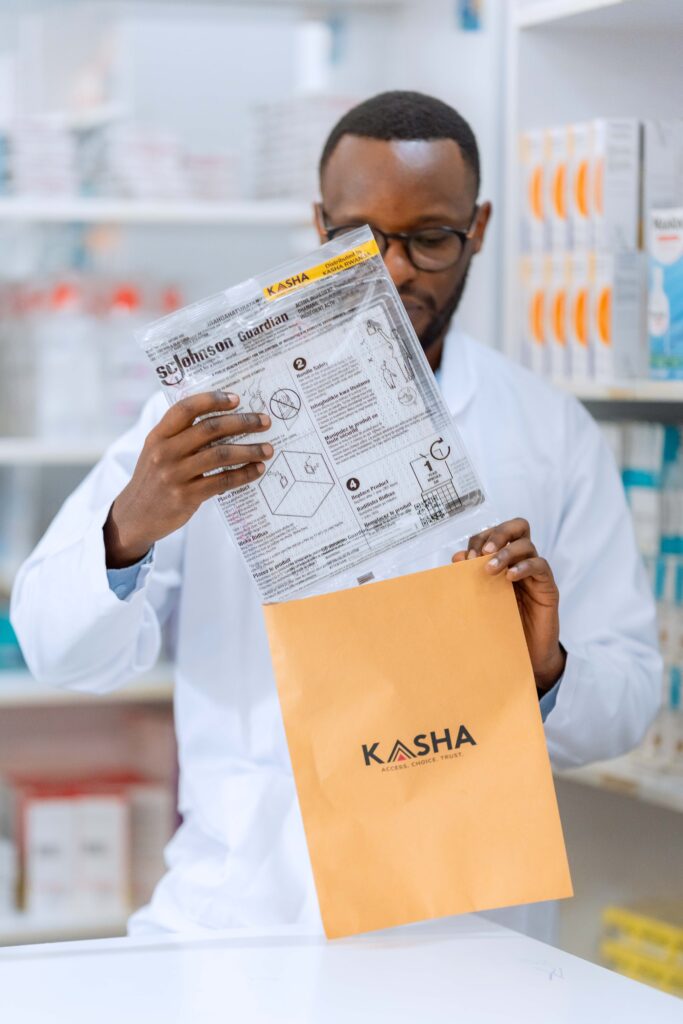
Kasha helps manufacturers reach buyers across East, West, Southern, Central and North Africa. Through one platform they can sell directly to consumers and reach retailers, wholesalers, pharmacies, hospitals, clinics, kiosk shops and institutions. We also partner with and sell to local public agencies. Even in remote communities, we can introduce a product, learn what price will sustain high sales volumes and deliver it to the people who order it.
More people can afford a dual-insecticide bed net or a spatial repellent than the global health community often assumes. When these products are widely available at prices most people can afford, public programs can focus their limited funds on people who need free protection. Higher sales volumes can also lower the cost per net or rapid diagnostic test, so the Global Fund can buy more with the same budget.
Looking ahead, how do you see the private sector’s role evolving?
I’m excited about what happens when people can get the health products they want delivered to their homes when they need them. Better health means people can work and children can go to school. And as the businesses serving those communities grow, they can create more jobs locally.
Building that kind of health system takes public and private partners. We need policies that allow quality malaria prevention products to be sold through shops and pharmacies. We also need catalytic funding so that together we can grow a private market for a wider variety of malaria protection products.
Decisions about which health products African consumers should get are too often made in other countries. I want those choices in the hands of the people who use the products. There will always be a need for donors, but people who can buy their own protection deserve a choice they can count on throughout the year. If manufacturers know what people want and can sell enough of it to keep prices affordable, that’s an opportunity to improve health and build stronger local economies.
This conversation has been edited for clarity and length.
About Malaria No More
Malaria No More envisions a world where no one dies from a mosquito bite. Twenty years into our mission, our work has helped drive historic progress toward this goal. Now, we’re mobilizing the political commitment, funding, and innovation required to achieve one of the greatest humanitarian accomplishments of our time — ending malaria for good.